Codes in Knots
Author Nayeli Vega
Date of creation 2026
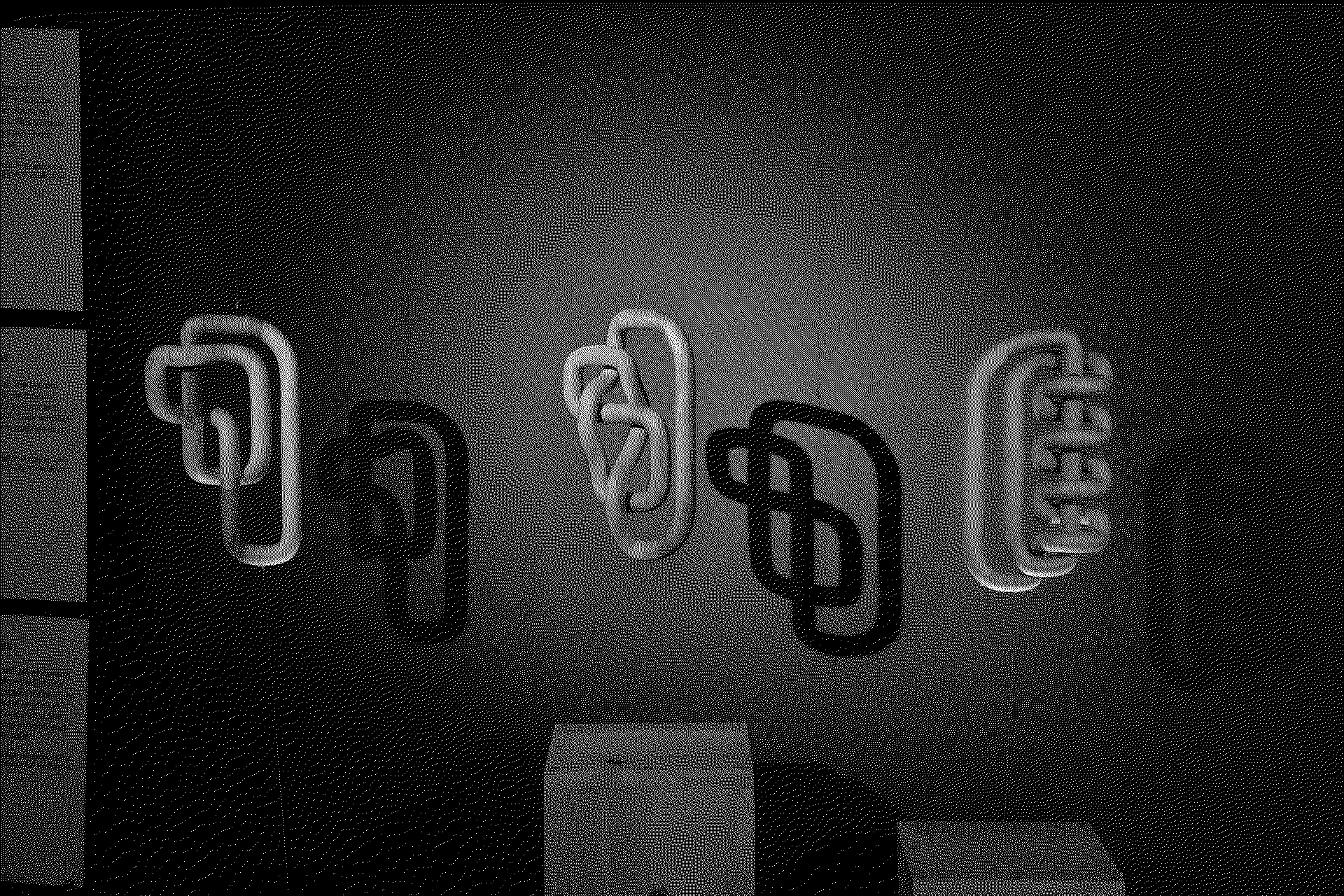
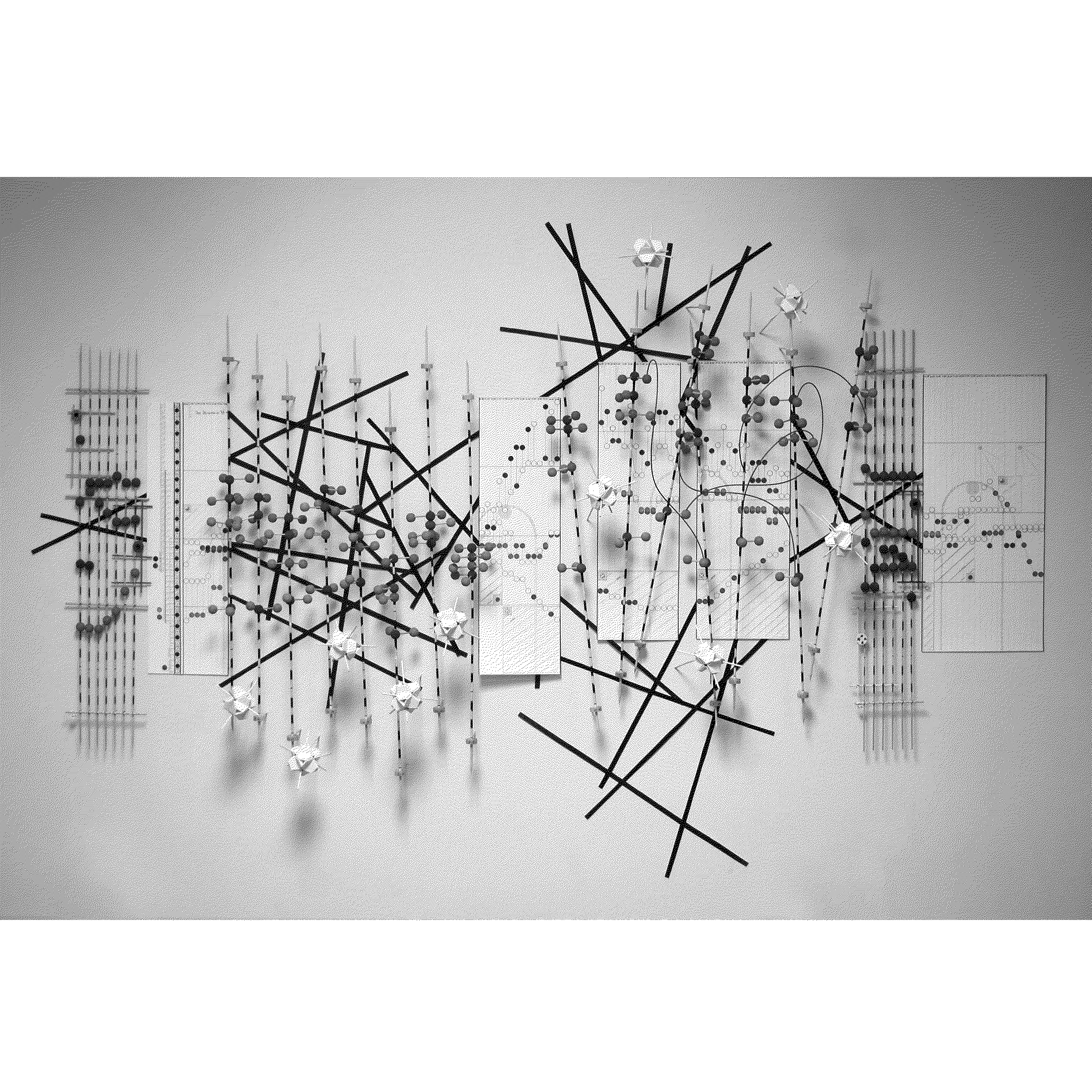
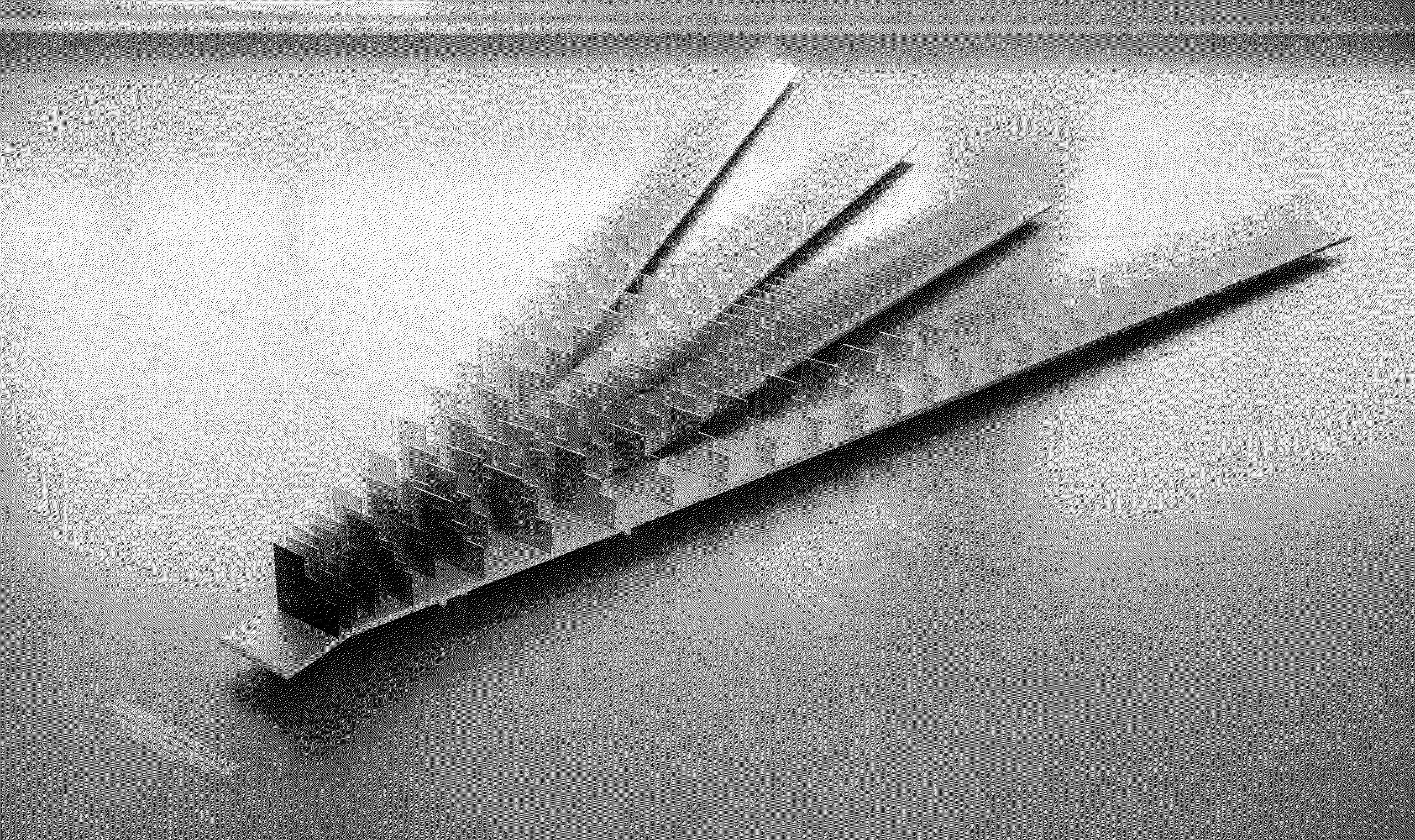
A suspended series of carved wooden knots, each form standing in for a word — verb or noun — in an invented notation system built from knot shapes rather than characters. The project draws a direct line to khipu and other precolonial textile-based recording systems, translating their logic of knotted encoding into a contemporary sculptural alphabet. Shown in the exhibition "Digital Decoding: Digitality as Subject and Method" at Silent Green Kunstquartier, Berlin.
Inka-Style Khipu
Author Leland L. Locke's book
Date of creation 1300-1500
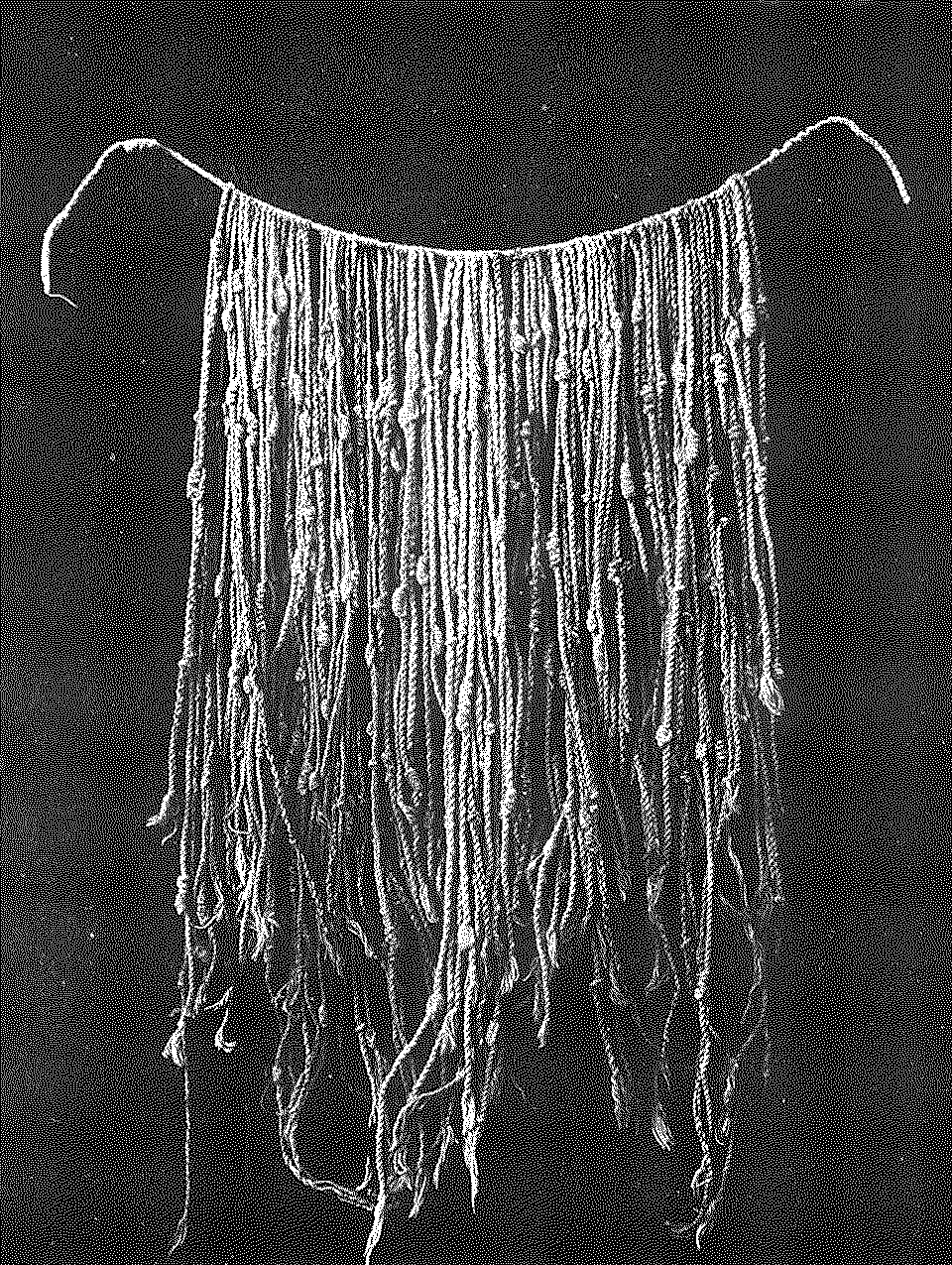
Inka-style khipu illustrating one of the most important book in the history of khipu deciphering, in which L. Locke determined khipu were numerical devices encoded in base 10. The book was published in 1912.
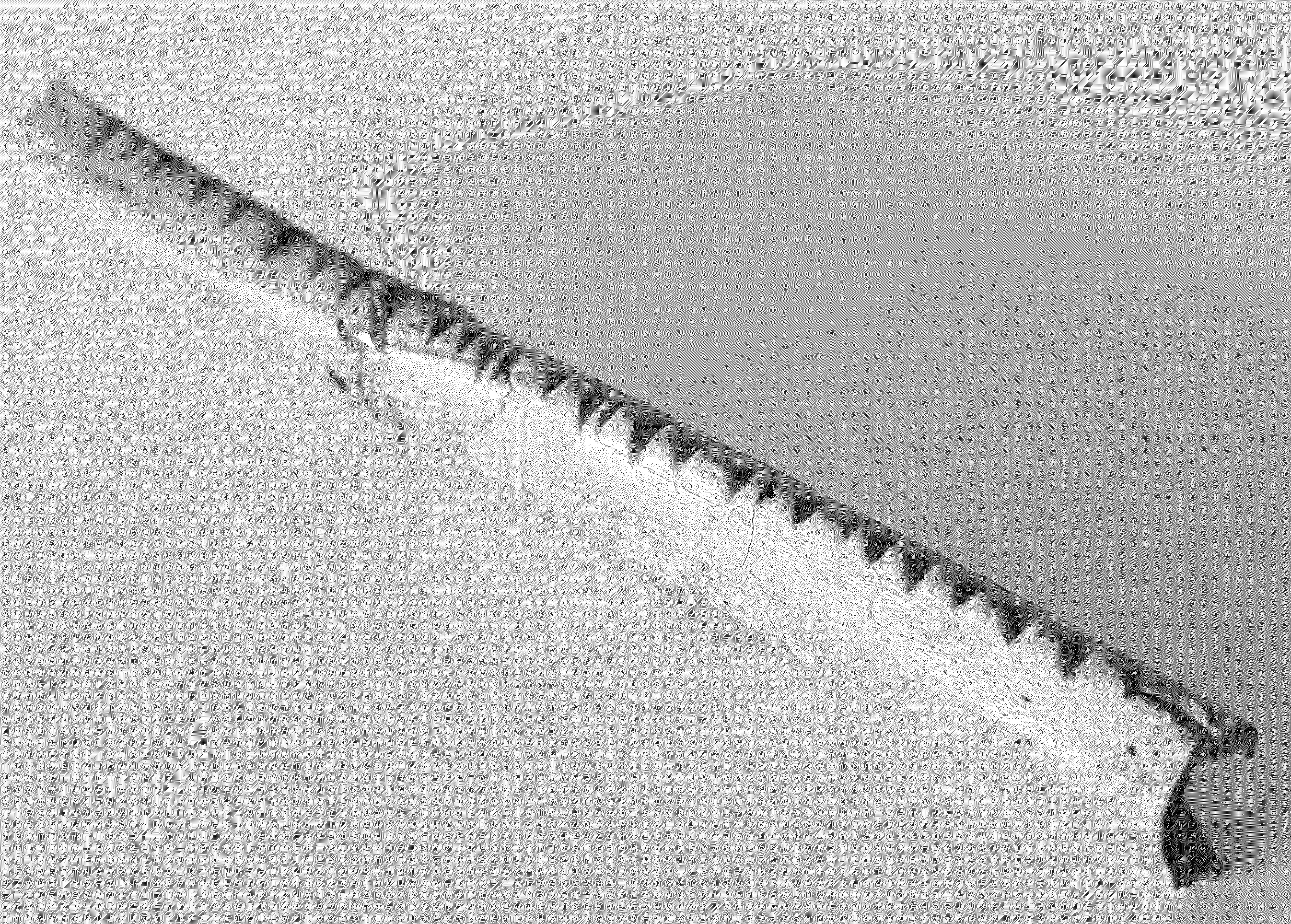
Abri Cellier Notched Bones
Author Aurignacian toolmakers
Date of creation c. 32,000 BCE
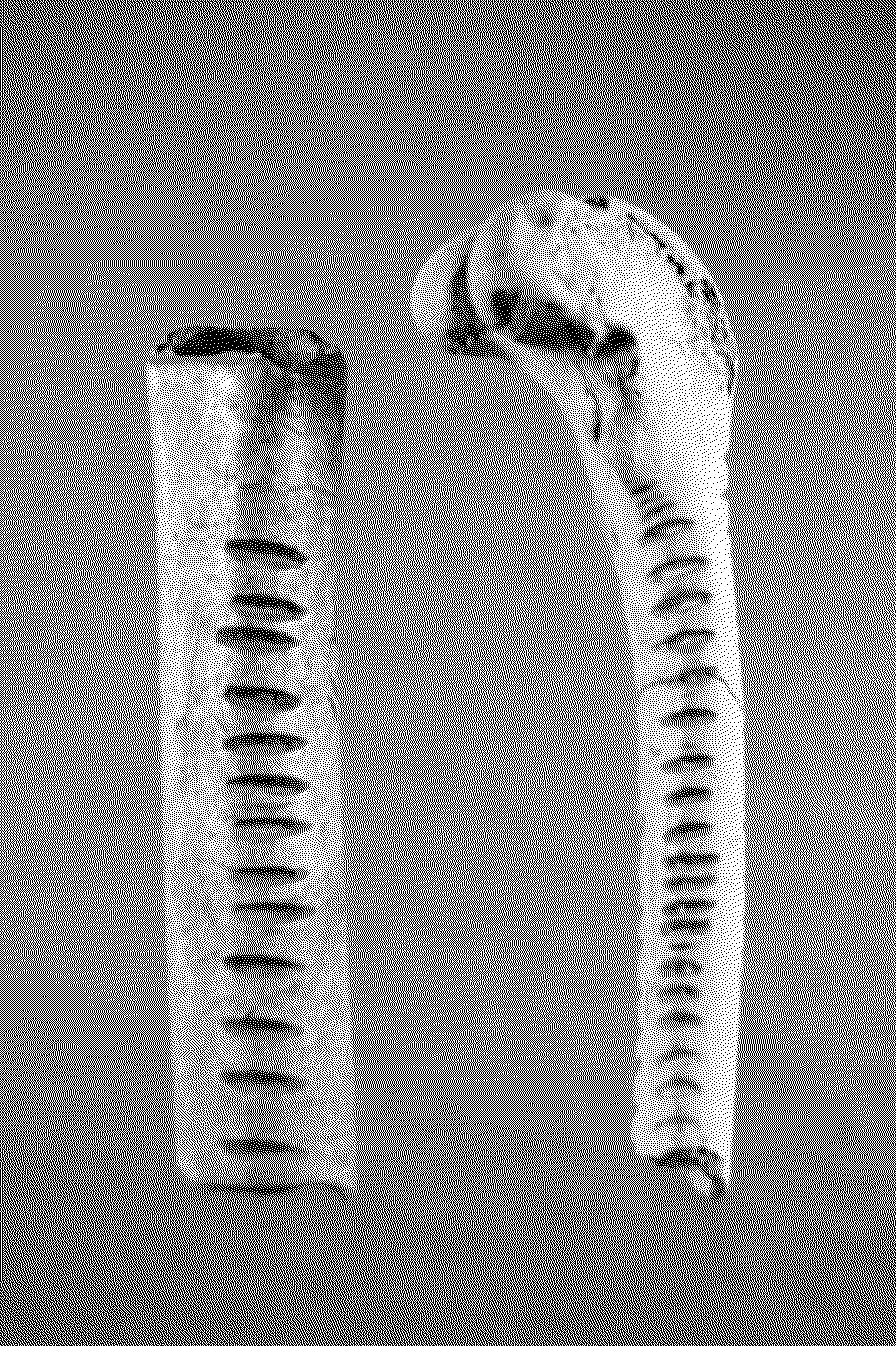
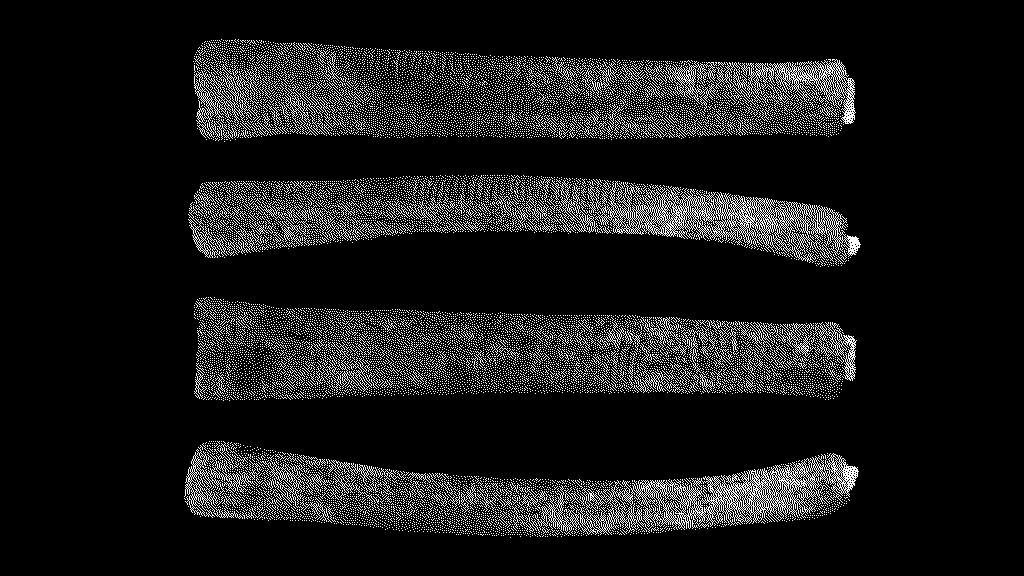
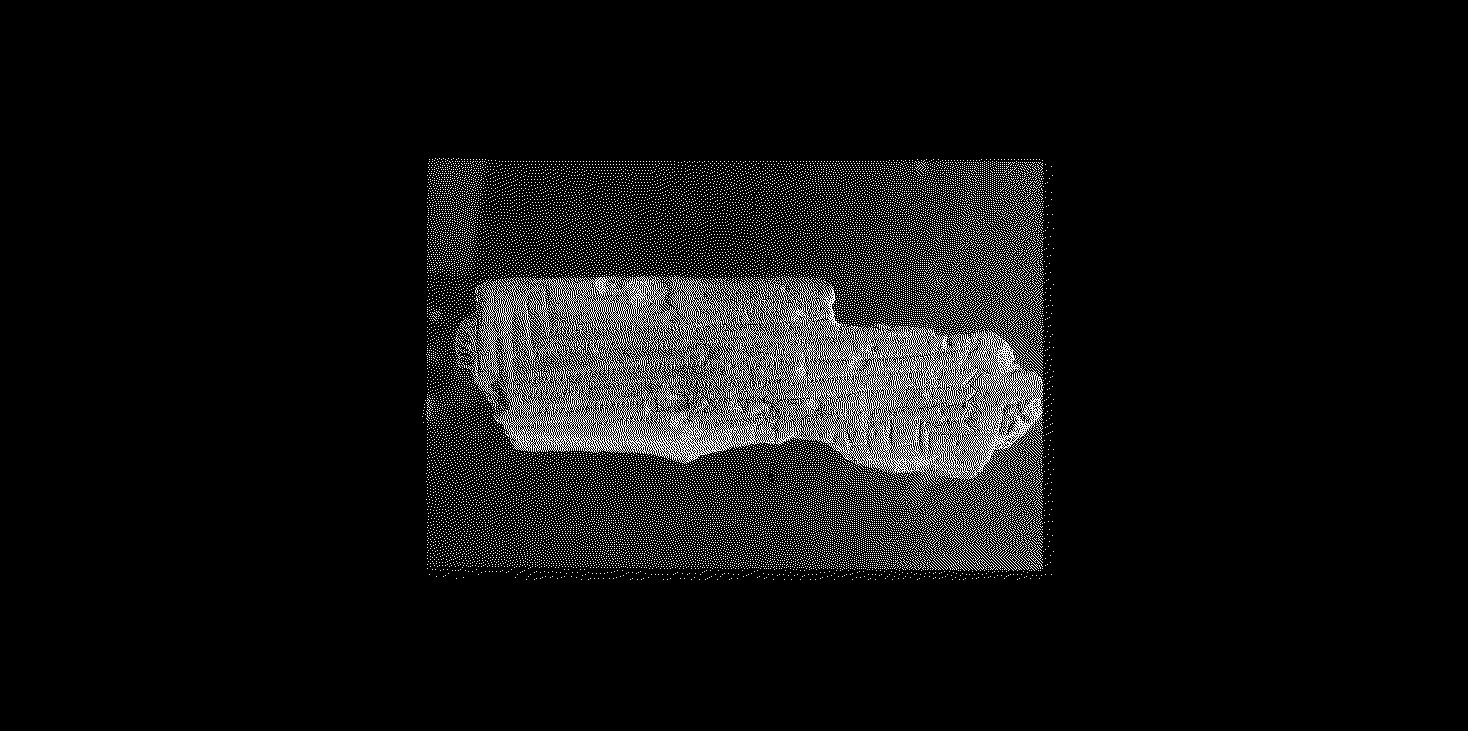
Two bone fragments from the Abri Cellier rock shelter in the Dordogne, France, each carved along one edge with a long, regular series of parallel notches. Excavated in 1927 by the Logan Museum of Anthropology's George Collie, Abri Cellier is one of several Aurignacian sites in southwest France — alongside Abri Blanchard and La Marche — whose notched bones have been read as early notational or tallying sequences.
Qin Bronze Weight (Quán 权)
Author Qin dynasty imperial government
Date of creation 221 BCE
A bronze weight cast after Qin Shi Huang's unification of China, inscribed with the imperial edict standardizing weights across the empire. Used with a balance scale for trade and taxation.
IBM Punched Card
Author IBM
Date of creation 1964
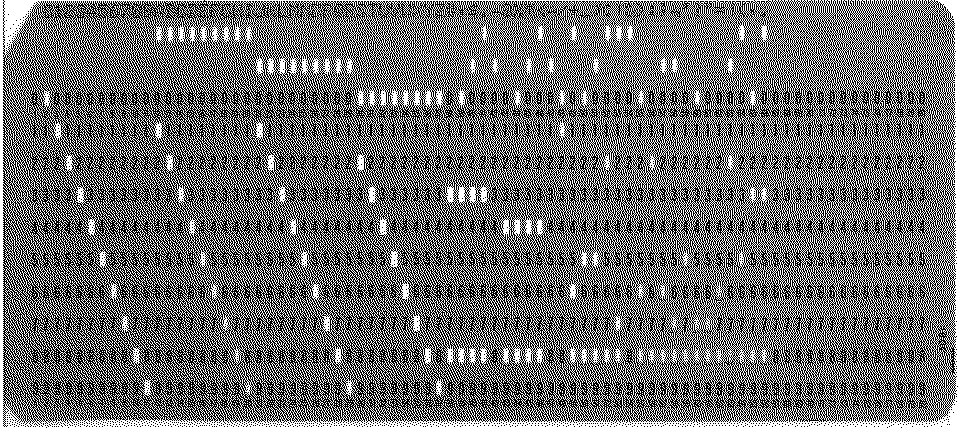
An 80-column punched card encoding data through a grid of rectangular holes, one column per character. Standardized around IBM's EBCDIC code in 1964, it became the dominant medium for entering, storing, and feeding programs into mainframe computers through the 1960s and 1970s.
Ishango Bone
Author Later Stone Age toolmakers
Date of creation 20000 BCE
A baboon fibula bearing three columns of notches in varying groupings, found at Ishango, Democratic Republic of Congo. Its function remains debated — proposed readings range from a simple tally to a lunar calendar or an early arithmetic tool.
Binary Quilt
Author Community groups, Cambridge Festival 2026
Date of creation 2026
A quilt encoding information in binary, created with community groups as part of Cambridge Festival 2026 and displayed at The Centre for Computing History, Cambridge in September 2026. The chapter text should tell the story of how it was made collaboratively with those community groups.
Mesopotamian Clay Tokens
Author Sumerian agriculturalists
Date of creation 10 000 BCE - 3000 BCE
Accounting tokens that were used for farming goods exchange and accounting in Mesopotamia. The tokens were used for thousands of years and led to the invention of cuneiform writing.
Knitting Machine Punch Card
Date of creation 20th century
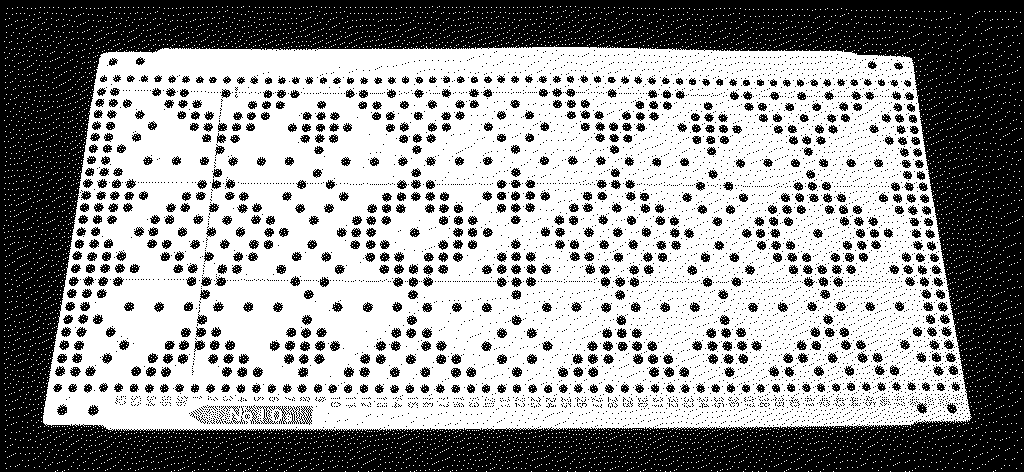
A punched card used to program pattern rows on a domestic knitting machine — each row of holes selects which needles engage to produce colorwork or textured stitches, a direct descendant of the Jacquard card adapted for home knitting.
Qin Bronze Volume Measure (Shēng 升)
Author State of Qin, standardized under Qin Shi Huang
Date of creation 344 BCE - 221 BCE
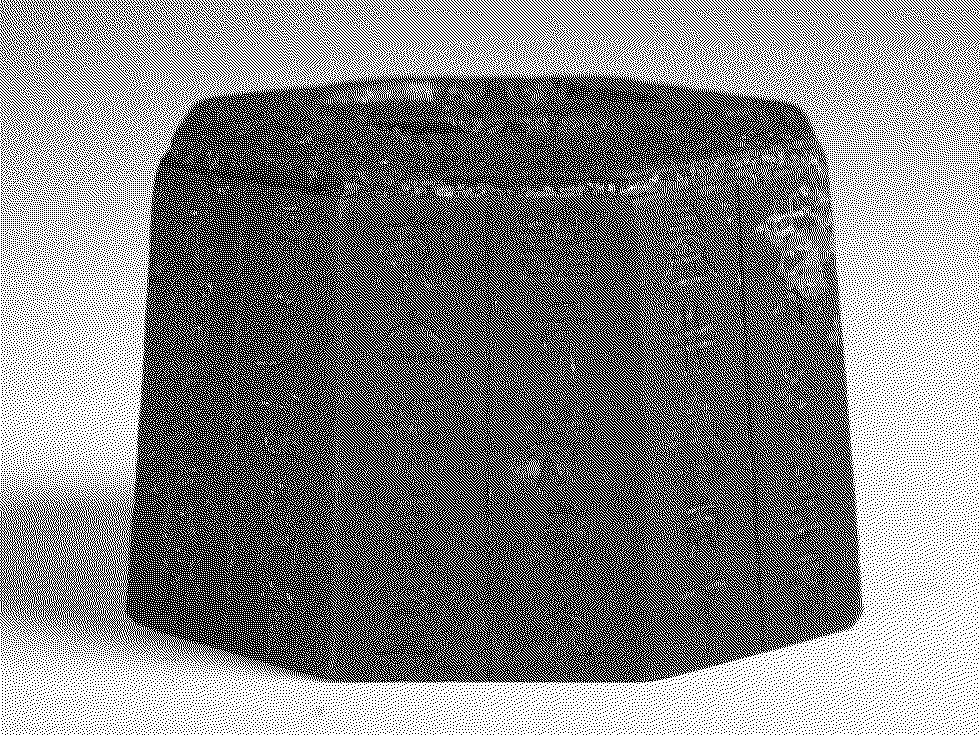
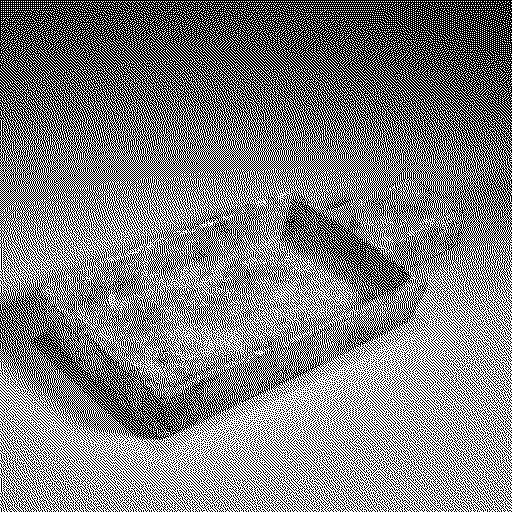
A rectangular bronze pan with a handle, cast as a standard unit of volume. The type originates with Shang Yang's 344 BCE reform and was extended empire-wide under Qin Shi Huang's 221 BCE unification edict, alongside standardized weights and currency.
The Taï Plaque
Author Late Magdalenian engravers
Date of creation c. 10,000 BCE
An engraved bovine rib fragment from the Grotte du Taï, France, bearing over a thousand tiny incisions on one face — among the densest mark-sequences known from the end of the Upper Palaeolithic, and, like the notched bones of Abri Cellier and La Marche, read within the broader debate over Palaeolithic notational systems.
The Shape of the Sound of the Shape of the Sound
Author Stephen Barrass
Date of creation 2012
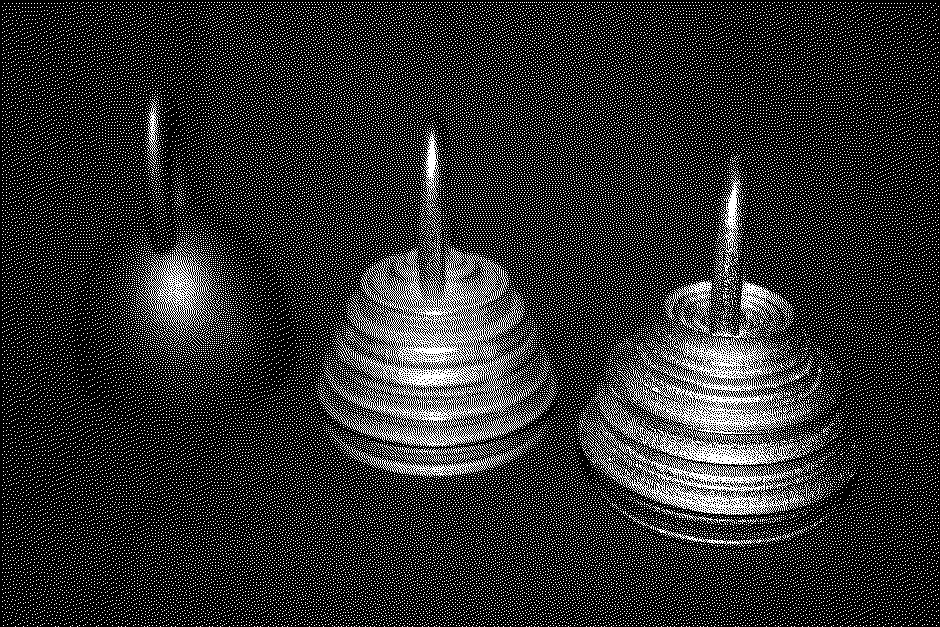
A recursive series of 3D-printed stainless steel bells, each cast from the sound of the one before it — a bell's form generated by CAD, its ring recorded, and that recording's acoustic signature shaped into the next bell, repeated across several generations. Exhibited at CraftsACT, Canberra, in the exhibition Embracing Innovation Vol. 2.
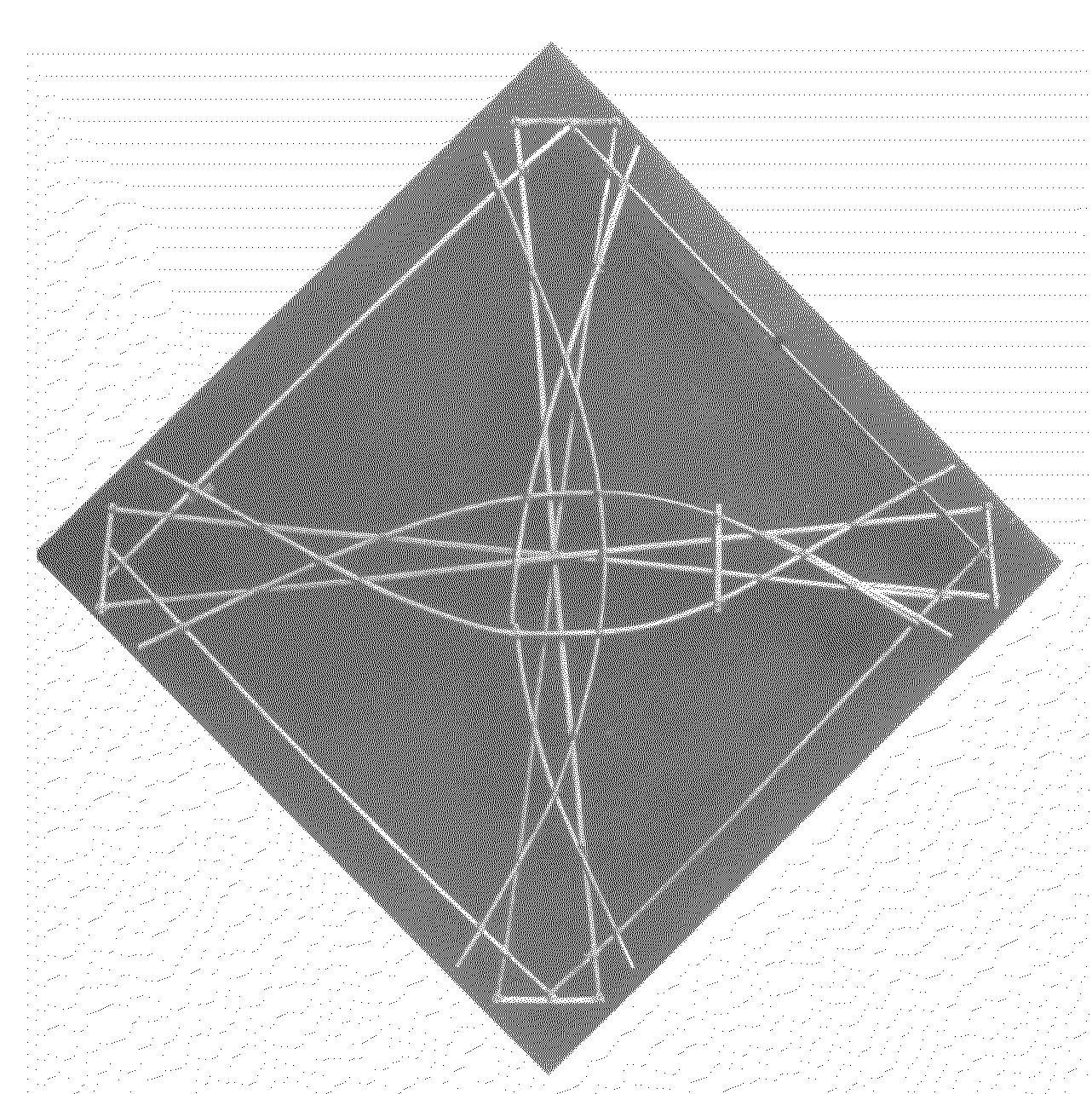
Herophon Disc
Author Ch. F. Pietschmann & Söhne
Date of creation 1880
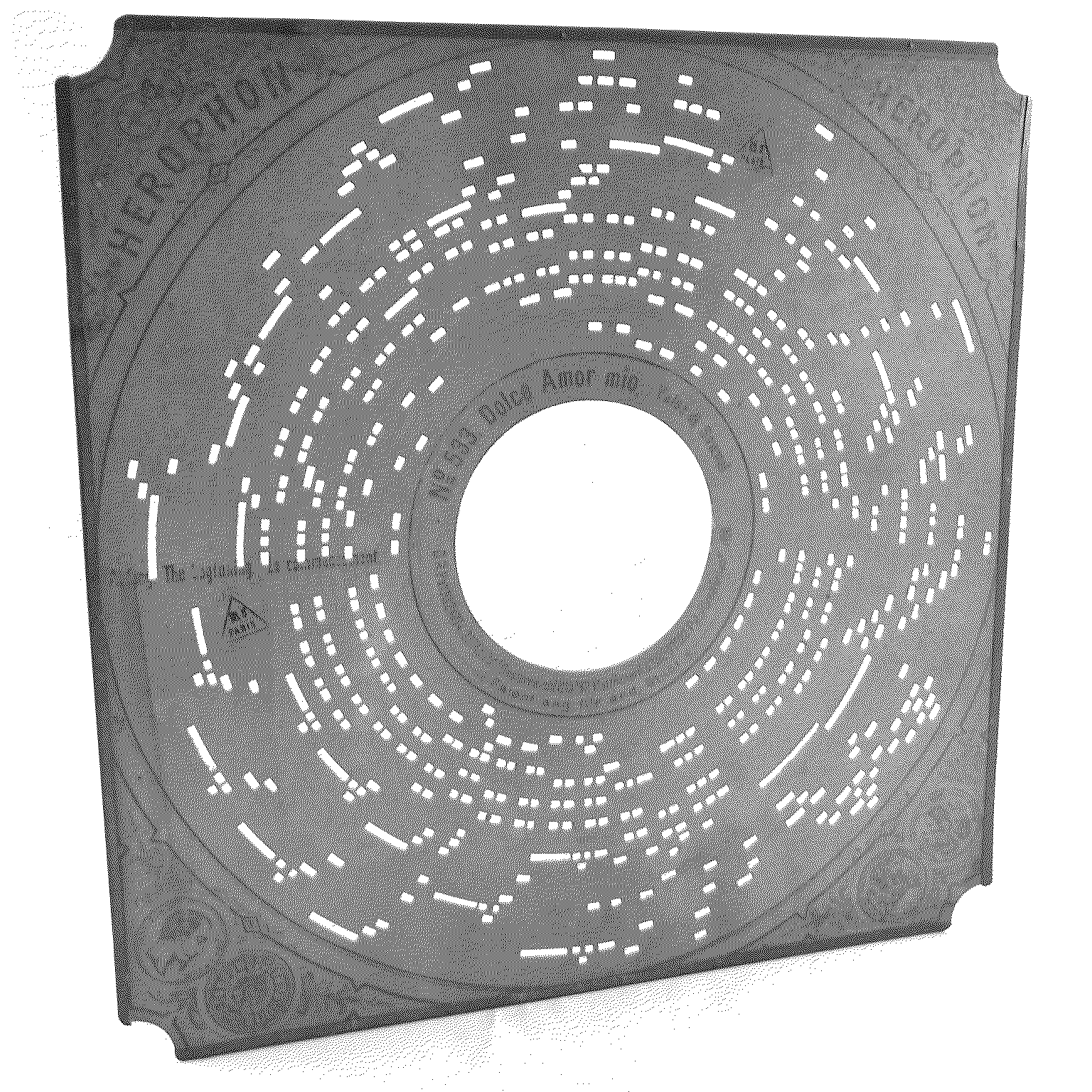
A square punched cardboard disc for the Herophon, a hand-cranked organette introduced in Germany in the 1880s. Unlike most organettes, the disc stays stationary while the 24-note reed mechanism revolves beneath it, reading the pattern of holes as pre-programmed tunes.
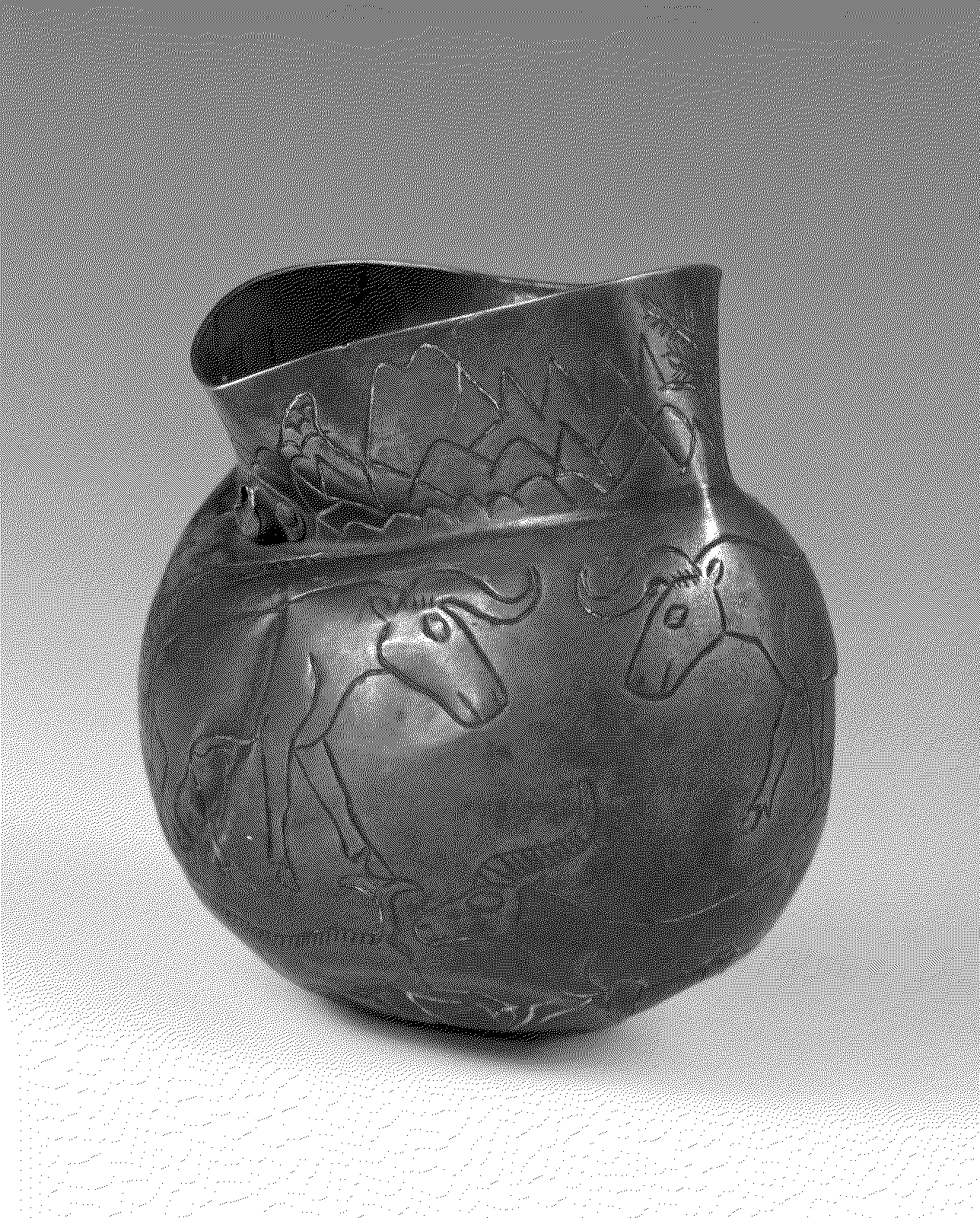
Maikop Vessel
Author Maikop culture artisans
Date of creation 3700 BCE - 3000 BCE
A silver vessel engraved with a naturalistic landscape — mountains, rivers, and animals including lions and panthers — widely interpreted as a depiction of the North Caucasus region as seen from the north. Found in the Maikop kurgan, Adygeya Republic (former Kuban region), Russia. Height 9.6 cm.
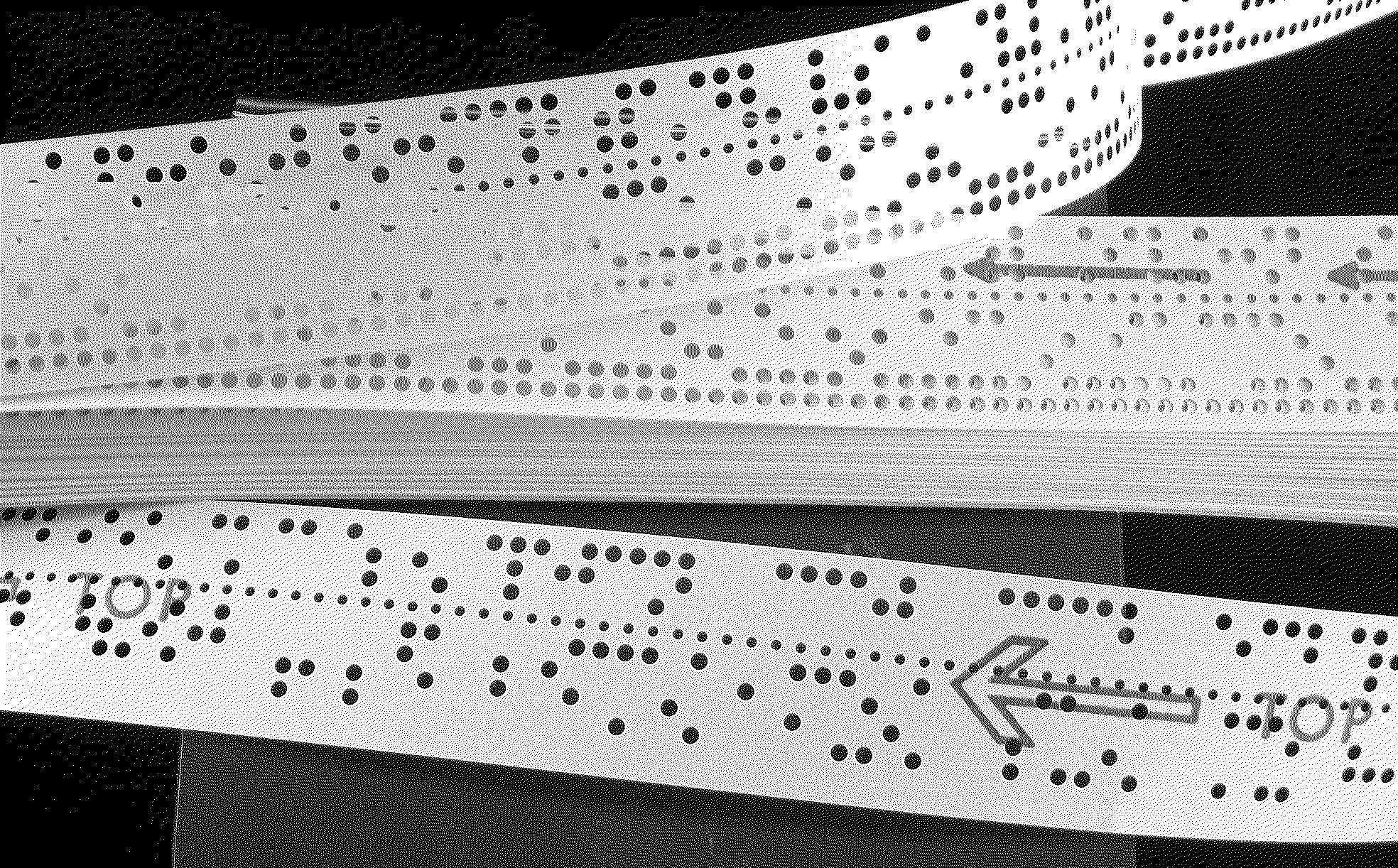
Punched Paper Tape
Author Bruker Instruments Inc.
Date of creation 1846 - 1980s
A continuous strip of paper tape encoding data as a sequence of punched holes, read row by row as it fed through a machine. Used from early Morse code transmission through to low-cost data and program storage for minicomputers and computer-aided manufacturing equipment. This example, B37-60713, is a dual display overlay to QPDFT from Bruker Instruments Inc.
Encoded Textiles
Author Guillermo Bert
Date of creation 2024 (current iteration; first iteration with the Mapuche community in Chile)
A new-media art series integrating QR codes into traditional Indigenous textiles to preserve cultural narratives and immigrant experiences. Woven fabrics from South and Central America embed QR codes that, scanned by viewers, play videos, audio stories, and poems. The current iteration features Maya and Zapotec communities based in Los Angeles; the first iteration was a collaboration with the Mapuche community in Chile. Ten textiles in total, with twenty accompanying audio stories and videos.
8-Bit Punched Tape (DataArt IT Museum)
Author USSR (maker unrecorded)
Date of creation 1980s
A Soviet-era punched paper tape (SM EVM minicomputer) bearing a test program in binary code, donated by Irina Lutskova and photographed by Mitya Ganopolsky for the DataArt IT Museum.
A Number Between Zero and One
Author Siah Armajani
Date of creation 1969
A Number Between Zero and One is a conceptual sculpture by Iranian-American artist Siah Armajani, consisting of a stack of paper printouts of an imaginary number—10^-205,714,079—one requiring 25,974 sheets and twenty-eight hours to print.
Korean Rain Gauge Ch'ŭgugi
Author Joseon kingdom's Research Institute of Astronomy Geography Calendar and Weather
Date of creation 1441
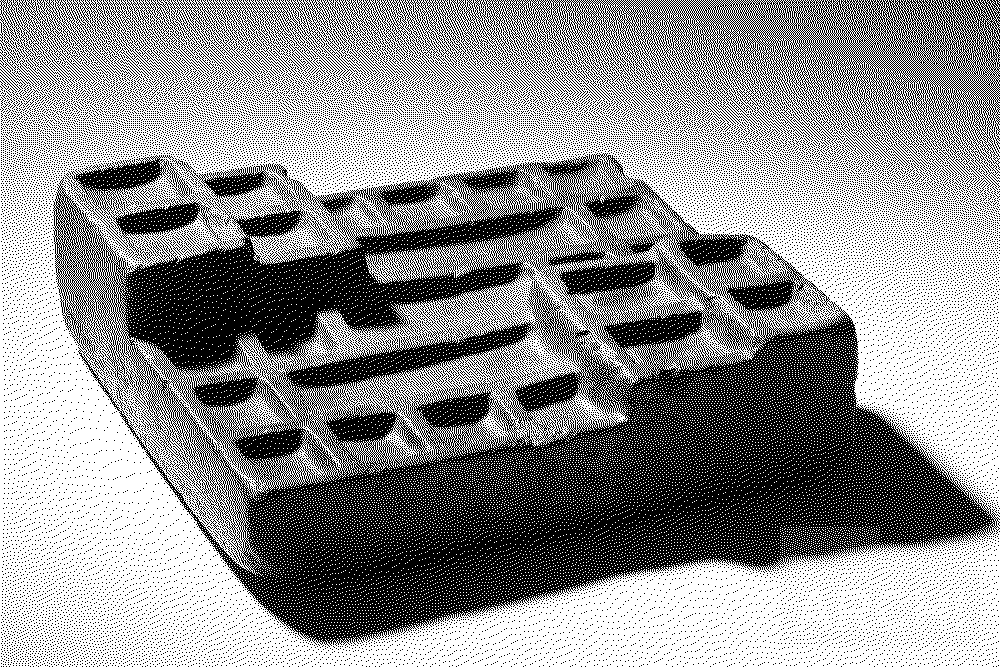
Known as the 'most ancient rain gauge in the world', the Korean rain gauge system was one of the first state-wide rain measuring system.
Harappan Cubical Weights
Author Indus Valley Civilization artisans
Date of creation 2600 BCE - 1900 BCE
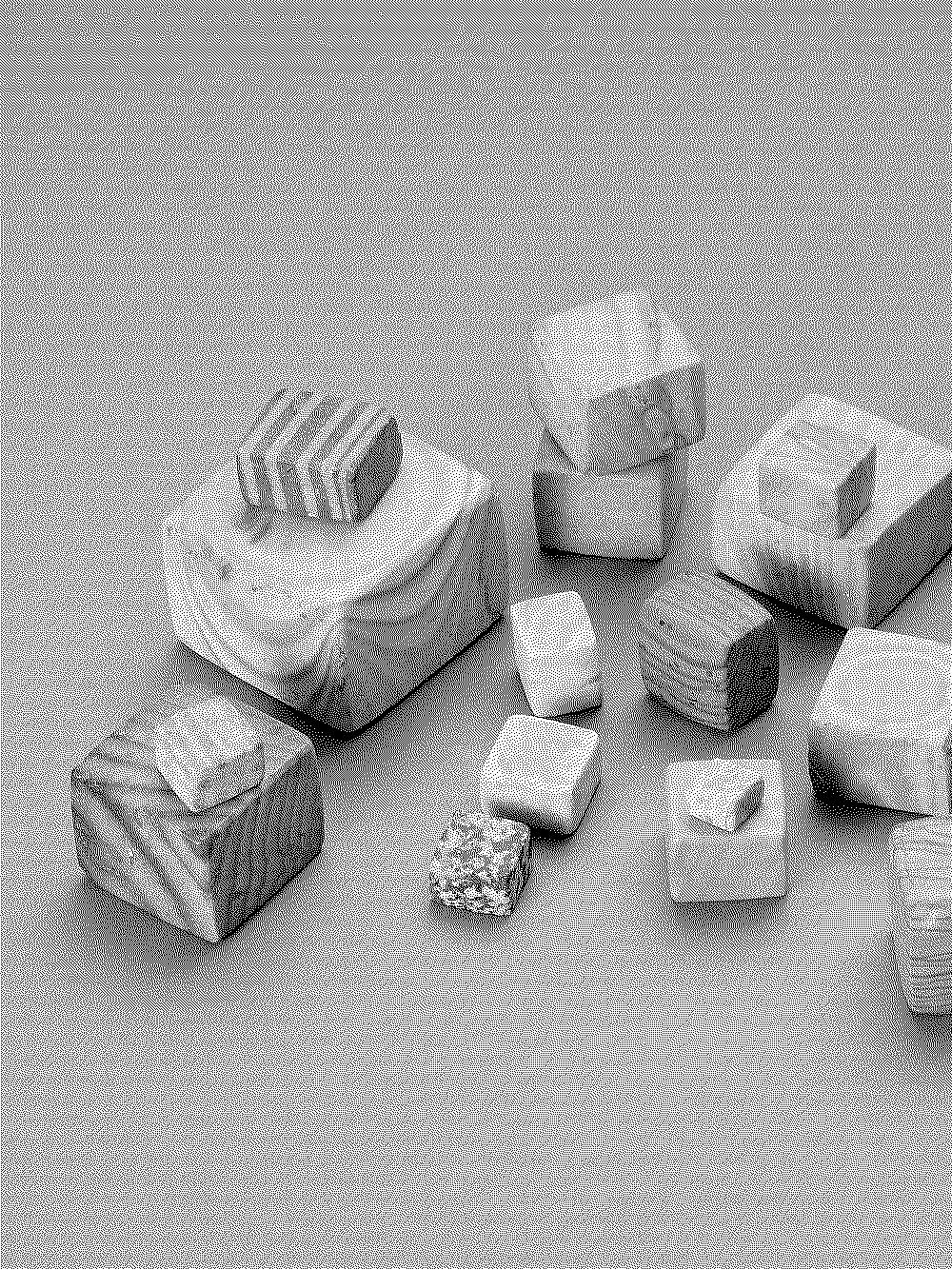
Cubical weights, mostly made of chert, used across Indus Valley settlements to standardize trade and taxation. They follow a strict binary ratio system (1:2:4:8:16...), consistent across a vast territory.
Mesopotamian Duck Weights
Author Babylonian and Assyrian artisans
Date of creation 2000 BCE - 700 BCE
Balance weights carved in the form of a resting duck, its neck and head folded back along its body, typically cut from hematite or alabaster. Used across Babylonian and Assyrian commerce to standardize trade against the shekel, with strict penalties imposed on merchants caught using false weights.
Organ Cobs
Author Autophone Company
Date of creation 1880
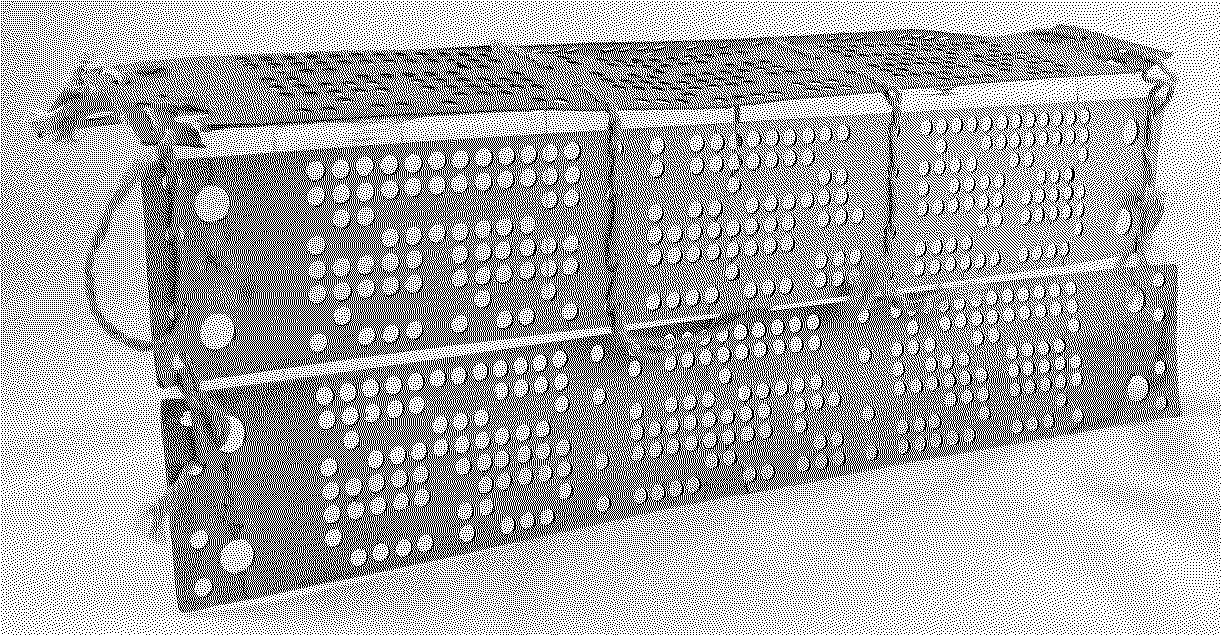
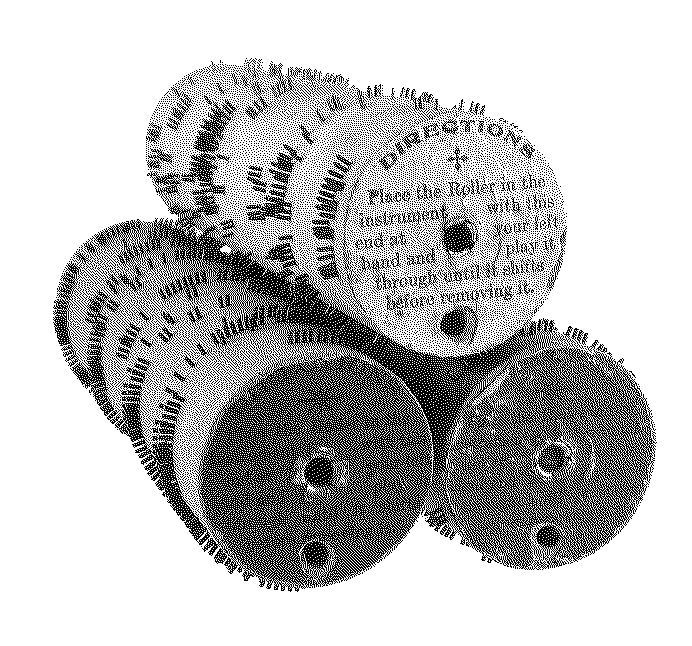
Organ cobs or rollers were used in roller organs, and consisted of a cylinder of wood with pins in them that pressed on the keys in the organ to actuate them. Roller organs were a type of reed organ introduced in the late 1880s by the Autophone company of New York, and were an inexpensive and popular means of entertainment for the US market.
Ammassalik Coastline Sculpture
Author Kunit fra Umivik (Inuit hunter from Greenland)
Date of creation 1885
A sculpted guide to a stretch of coast north of Ammassalik, made by a local hunter to explain navigation to the Danish expedition captain Gustav Holm, who later wrote his deep despise for Inuit geographical artefacts.
Yupana
Author Inka Empire artisans
Date of creation 1400 - 1532
An Inka counting board, used alongside the khipu for arithmetic — the yupana computed, while the khipu recorded the result. Based on a 17th-century drawing by the chronicler Huaman Poma, later interpreted by Erland Nordenskiöld and Henry Wassén as a grid in which pebbles or grains of maize, placed in different squares, represented different values depending on their position.
Sayhuite Monolith
Author Inka Empire artisans
Date of creation 1400 - 1532
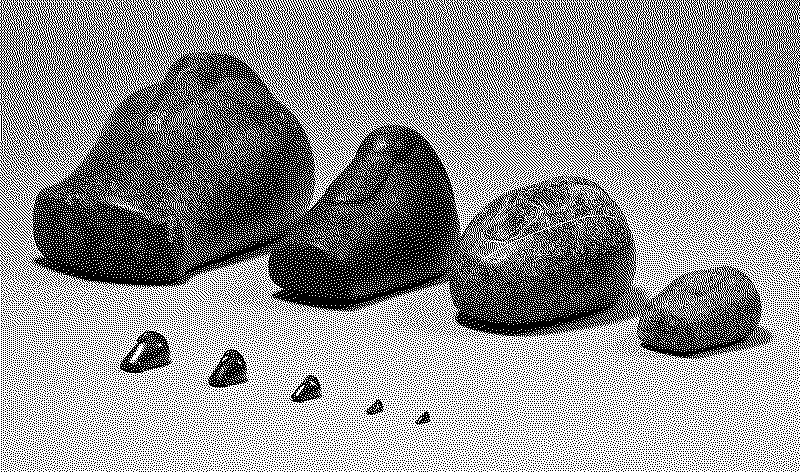
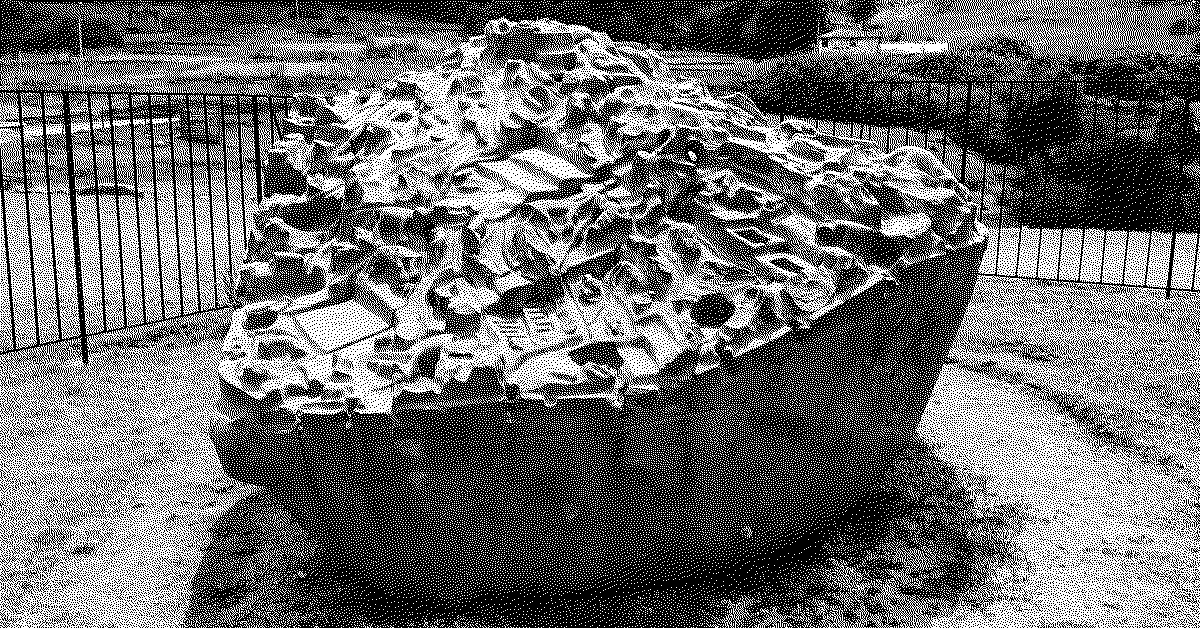
A carved granite boulder near Abancay, Peru, covered with over 200 reliefs depicting terraces, canals, rivers, and animals. Some researchers read it as a topographic model used to plan and test irrigation systems.
Architecture of Return, Escape
Author Nicholas Galanin (Tlingit/Unangax̂)
Date of creation 2021
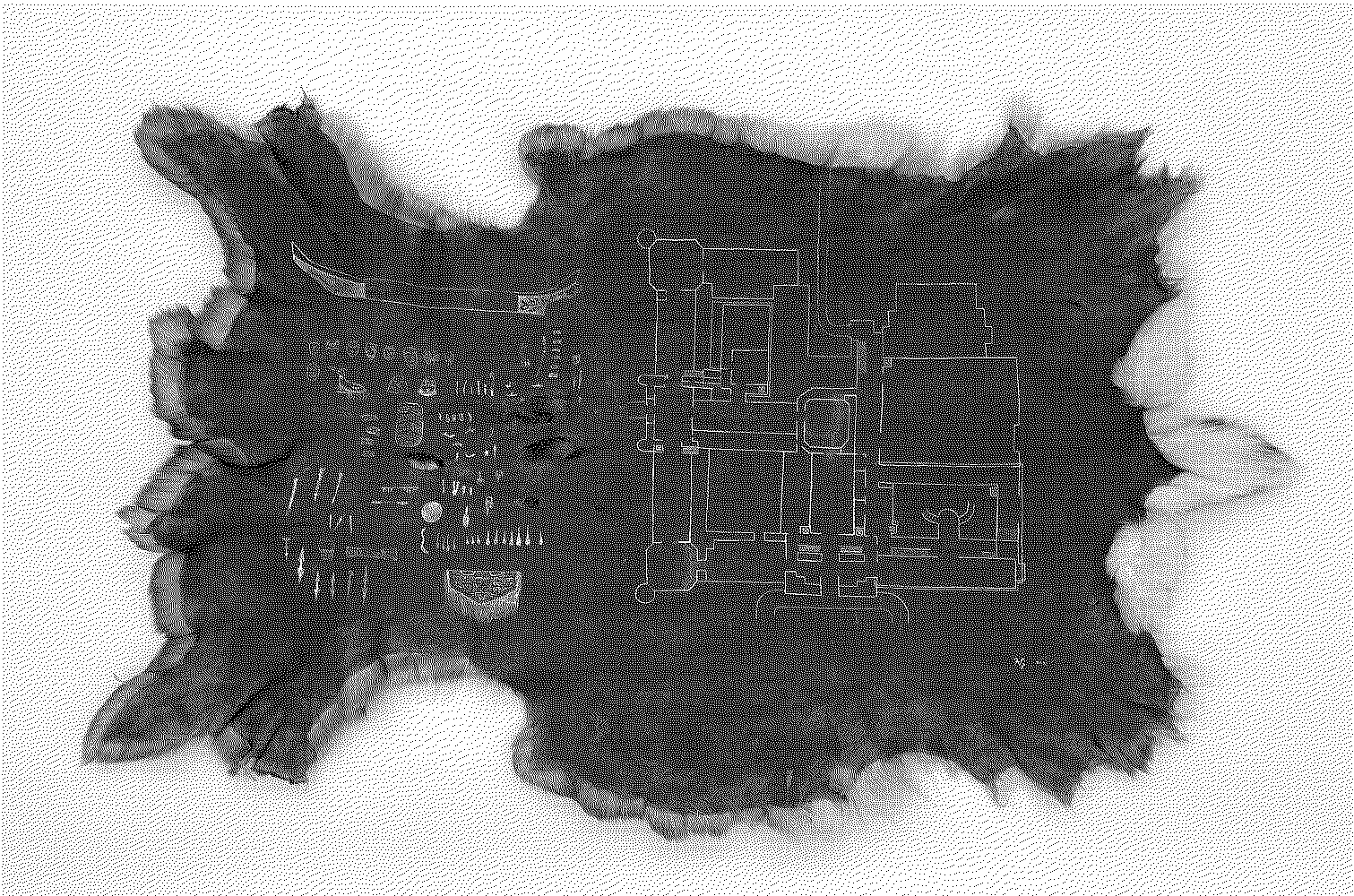
A hide painting referencing the floor plan of the American Museum of Natural History, part of a series mapping escape routes for Indigenous remains and objects held in non-Indigenous institutions, back to their home communities.
Bulla (Clay Round Seal)
Sumerian agriculturalists
Clay envelop in which the accounting tokens were initially placed, then only imprinted on.
Encoded Textiles
Guillermo Bert
A new-media art series integrating QR codes into traditional Indigenous textiles to preserve cultural narratives and immigrant experiences. Woven fabrics from South and Central America embed QR codes that, scanned by viewers, play videos, audio stories, and poems. The current iteration features Maya and Zapotec communities based in Los Angeles; the first iteration was a collaboration with the Mapuche community in Chile. Ten textiles in total, with twenty accompanying audio stories and videos.
Scroll to explore →